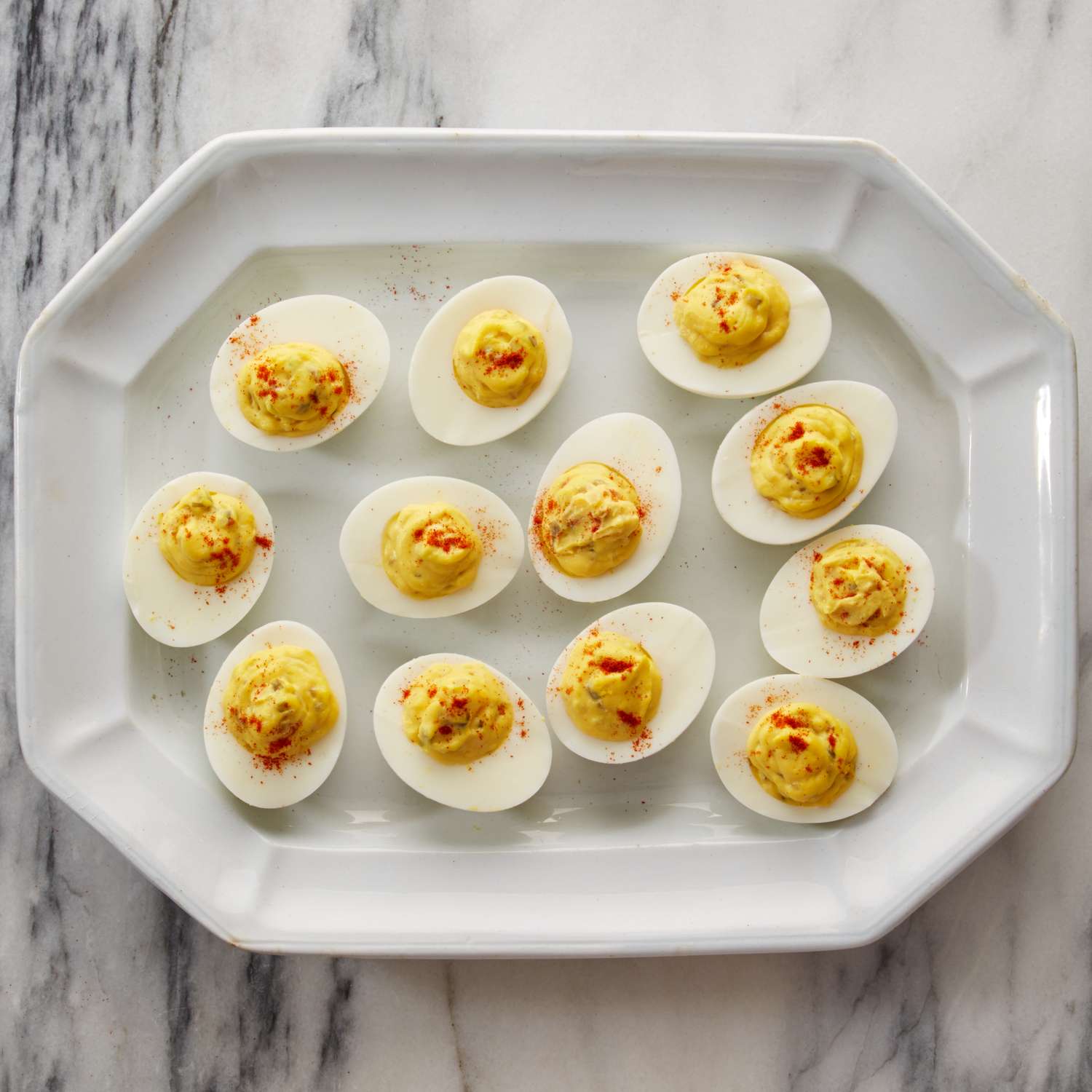
The Foundation of Flawless Deviled Eggs: Achieving the Perfect Hard-Cooked Egg
Deviled eggs are a timeless appetizer, a staple at potlucks, picnics, and holiday gatherings. Their creamy, savory filling nestled in perfectly firm egg white halves is a testament to simple elegance. Yet, behind this seemingly straightforward dish lies a world of common frustrations: stubborn shells that tear away chunks of precious egg white, or yolks that stubbornly cling to one side, ruining the aesthetic symmetry. Fear not, aspiring deviled egg pros! Much like culinary maven Kathy Casey details in her insightful book, D'Lish Deviled Eggs, mastering the art begins long before you even consider the filling. The secret to consistently superb easy-peeling, perfectly centered eggs lies in a few foundational techniques that elevate your game from amateur to expert, ensuring every batch of classic deviled eggs is a triumph.
The Age-Old Secret: Why Older Eggs Reign Supreme
Perhaps the most counterintuitive, yet crucial, tip for easy peeling is to avoid using super-fresh eggs. While we often laud freshness in other culinary endeavors, it's the bane of deviled egg preparation. Kathy Casey strongly advocates for selecting eggs that have been in your refrigerator for at least 7-10 days, rather than those fresh from the carton or farm. The science behind this recommendation is fascinating and incredibly practical. As an egg ages, it gradually loses moisture through its porous shell, and a small air pocket develops and expands at the large end of the egg. This air pocket, crucial for easy peeling, helps to separate the inner membrane from the egg white, preventing it from adhering stubbornly during the cooking process. Think of it as nature's own non-stick coating. Trying to peel a very fresh egg, where the membrane is still tightly bound to the albumen, often results in frustrating tears and craters, leaving you with mangled whites unfit for elegant deviled eggs. For a deeper dive into this essential concept, read our detailed article on Why Older Eggs Make Better Deviled Eggs: Kathy Casey's Expert Advice.
Centering the Gold: A Simple Storage Trick for Professional Presentation
Beyond easy peeling, another hallmark of professional-looking deviled eggs is a perfectly centered yolk. An off-center yolk makes it challenging to cut the egg evenly in half and can result in an aesthetically unbalanced presentation. Fortunately, achieving that perfect bullseye is surprisingly simple and requires no special equipment, just a bit of foresight. Casey's expert advice is to store your eggs either small-end up or on their sides overnight before you plan to cook them. Why does this work? The yolk, being slightly lighter than the egg white, tends to float upwards within the egg. If an egg sits on its side for an extended period, the yolk will settle in the middle. Storing them small-end up also encourages the yolk to move away from the shell's edge, positioning it more centrally. This simple act of pre-preparation ensures that when you slice your hard-cooked eggs, you're greeted with a beautifully centered, vibrant yellow canvas, ready to be transformed into stunning classic deviled eggs.
Mastering the Cook: From Pan to Perfect Peel
Once you've selected your perfectly aged eggs and allowed them to center their yolks, the next critical step is the cooking process itself. The goal is to achieve a firm, uniformly cooked egg white and a tender, fully set yolk without any unsightly green ring (a sign of overcooking). Kathy Casey's method, while seemingly basic, incorporates subtle nuances that make all the difference, ensuring optimal texture and an even cook throughout the egg.
Kathy Casey's Hard-Boiling Method: Precision and Patience
The journey to a perfectly cooked egg begins with careful placement. Start by gently placing your eggs in a large, nonreactive saucepan. A nonreactive pan, typically stainless steel or enameled cast iron, prevents any metallic taste from leaching into your eggs, which can sometimes happen with aluminum cookware. Add cold water to the saucepan, ensuring it covers the eggs by at least one inch. Starting with cold water is crucial because it allows the eggs to heat up gradually, preventing the whites from becoming rubbery and reducing the risk of cracking, which can occur if cold eggs are plunged directly into hot water. Bring the water to a rolling boil over medium-high heat. Once the water reaches a vigorous boil, immediately remove the saucepan from the heat, cover it tightly with a lid, and let the eggs sit undisturbed. The residual heat in the water will continue to cook the eggs gently and evenly. The precise timing here is key: for a perfectly firm yet tender yolk suitable for classic deviled eggs, 10 to 12 minutes is generally ideal. Avoid the temptation to peek or stir during this crucial resting period; the lid keeps the heat trapped, ensuring consistent cooking.
The Ice Bath: Your Best Friend for Easy Peeling
The moment the timer dings, signaling the end of the resting period, it's a race against time and heat. Transferring the eggs immediately from the hot water bath to an ice bath is a non-negotiable step for easy peeling and preventing that dreaded green ring around the yolk. An ice bath, a bowl filled with ice and cold water, serves multiple critical functions. Firstly, it rapidly cools the eggs, halting the cooking process instantly. This prevents overcooking, which is the primary cause of the greenish-gray sulfuring that can appear around the yolk, affecting both taste and appearance. Secondly, and perhaps most importantly for deviled egg enthusiasts, the rapid temperature change causes the egg white to contract away from the inner membrane. This thermal shock helps to loosen that pesky membrane, making the peeling process significantly easier and less prone to tearing. Let the eggs chill in the ice bath for at least 10-15 minutes, or until they are completely cool to the touch. This step is a game-changer and, as Kathy Casey emphasizes, is key to achieving those smooth, intact whites perfect for your deviled egg masterpieces. For more detailed insights into various peeling techniques, explore our article: Mastering Deviled Eggs: Kathy Casey's Secrets for Perfect Peeling.
The Art of Peeling: Gently Unveiling Your Masterpiece
With perfectly cooked and chilled eggs in hand, you're now at the moment of truth: the peel. Even with all the preparatory steps, a little technique goes a long way to ensure a smooth, beautiful egg white. The goal is to remove the shell with minimal damage, leaving a pristine surface ready for filling.
There are several effective methods for peeling hard-cooked eggs:
- Tap and Roll: Gently tap the wide end of the cooled egg on a hard surface to crack the shell. Then, gently roll the egg between your palms, applying light, even pressure, to create a network of fine cracks all over the shell. This loosens the shell from the membrane.
- Peel Under Cold Water: Many pros swear by peeling eggs under a gentle stream of cold running water. The water helps to get under the membrane, lubricating it and making it easier to separate from the egg white, especially if there are any stubborn spots.
- Peel from the Large End: Always start peeling from the large end of the egg. This is where the air pocket forms, providing a natural starting point to slip your finger under the shell and the membrane. Once you get under the membrane, it often comes off in larger pieces.
Be patient and methodical. If a piece of shell seems stuck, don't force it. Try re-cracking that area or placing it back under cold water. A small spoon can also be a handy tool for gently prying stubborn pieces. The result should be a smooth, unmarred egg white half, the ideal vessel for your creamy filling, setting the stage for truly exceptional classic deviled eggs.
Crafting the Filling: Beyond the Basics for Classic Deviled Eggs
Once you have your perfectly peeled, centered, and halved egg whites, it's time to focus on the heart of the deviled egg: the filling. While the external shell and preparation are crucial, the filling is where flavor truly shines. For classic deviled eggs, simplicity and balance are key.
Essential Ingredients for a Traditional Filling:
- Mayonnaise: This forms the creamy base. Choose a good quality, full-fat mayonnaise for the richest flavor and texture.
- Mustard: A touch of mustard adds tang and depth. Dijon mustard is a popular choice for its mild pungency, but yellow mustard can also be used for a more nostalgic flavor.
- Vinegar or Lemon Juice: A small amount brightens the flavors and adds a subtle zing. White vinegar, apple cider vinegar, or fresh lemon juice are all excellent options.
- Salt and Black Pepper: Essential seasonings. Taste and adjust to ensure perfect balance.
Achieving the Perfect Texture and Flavor Profile:
After carefully scooping out the cooked yolks into a bowl, mash them thoroughly with a fork. For an extra smooth, almost airy filling, you can push the yolks through a fine-mesh sieve. Then, gradually incorporate the mayonnaise, mustard, and other seasonings. The ratio is crucial: too much mayo and the filling will be runny; too little, and it will be dry and crumbly. Aim for a smooth, spreadable, yet firm consistency that holds its shape. Don't be afraid to add a tiny splash of pickle juice or a pinch of sugar for extra complexity. Some chefs also like to add a touch of sweet paprika directly into the filling for a warm, savory undertone. Mix until everything is thoroughly combined and homogenous. Always taste your filling and adjust seasonings as needed – this is your chance to make it truly perfect!
Presentation & Garnish: The Final Flourish
With your flawless egg white halves and delicious filling ready, the final steps involve presentation. This is where your deviled eggs transform from simple components into an appealing culinary statement. The way you fill and garnish them can significantly impact their visual appeal.
Filling with Precision:
While a spoon can certainly get the job done, for a truly professional and elegant look, a piping bag fitted with a star tip is your best friend. Spoon the prepared filling into the piping bag, twist the top to secure it, and then pipe beautiful rosettes or swirls into each egg white cavity. This method ensures uniform portions and a clean, attractive finish that is synonymous with classic deviled eggs.
The Art of Garnishing:
Garnish is not just for aesthetics; it adds an extra layer of flavor and texture. For classic deviled eggs, the quintessential garnish is a dusting of paprika. Sweet paprika provides a vibrant red hue and a subtle, warm flavor. Smoked paprika can add a deeper, more complex note. Beyond paprika, consider these popular options:
- Fresh Herbs: Finely chopped chives, dill, or parsley add a pop of green color and fresh aroma.
- Crispy Bacon Bits: A sprinkle of crispy, crumbled bacon adds a delightful crunch and savory depth.
- Pickled Relish: A tiny dollop of sweet or dill relish can offer a tangy counterpoint.
- Microgreens: For a modern touch, a few delicate microgreens can elevate the presentation.
Arrange your finished deviled eggs artfully on a serving platter. Ensure they are chilled before serving, as this enhances their flavor and keeps the filling firm. Deviled eggs are best enjoyed within a day or two of preparation, stored in an airtight container in the refrigerator.
From selecting the right eggs to the final flourish of garnish, every step in crafting classic deviled eggs is an opportunity to elevate this beloved appetizer. By adopting these expert tips, focusing on older eggs, proper storage for centered yolks, precise cooking, an immediate ice bath, and careful peeling, you can overcome common frustrations and consistently produce deviled eggs that are not only delicious but also visually stunning. Embrace these pro secrets, and prepare to impress your guests with perfectly peeled, beautifully presented, and utterly irresistible deviled eggs every single time!
