Why Older Eggs Make Better Deviled Eggs: Kathy Casey's Expert Advice
For many, the mention of deviled eggs conjures images of potlucks, family gatherings, and holiday tables. This beloved appetizer, with its creamy, tangy filling nestled in perfectly firm egg white halves, is a timeless classic. Yet, beneath the seemingly simple facade of
classic deviled eggs lies a challenge that has frustrated countless home cooks: achieving that pristine, easily peelable hard-boiled egg. No one wants ragged, pitted egg whites marring the elegance of their finished dish. Fortunately, culinary expert and author Kathy Casey, celebrated for her book
D'Lish Deviled Eggs: A Collection of Recipes from Creative to Classic, offers profound insights that transform this kitchen frustration into a culinary triumph. Her secret weapon for flawless results? Older eggs.
The Unsung Hero: Why Older Eggs Are Your Deviled Egg Secret Weapon
It might sound counterintuitive in an era where "fresh is best" is a culinary mantra, but when it comes to hard-cooking eggs for deviled eggs, age truly matters. Kathy Casey adamantly advises against using super-fresh eggs, recommending those that have been in your refrigerator for at least 7–10 days. This isn't just an old wives' tale; it's a scientifically sound principle rooted in the very structure of an egg.
As an egg ages, a small air pocket naturally develops and enlarges at its broader end. This air pocket gradually separates the inner membrane from the egg white, creating a crucial buffer. When you attempt to peel a very fresh egg, this membrane is often stubbornly adhered to the delicate egg white, leading to chunks of the white tearing away with the shell. The result? Unsightly pockmarks and an uneven surface that's far from ideal for an elegant deviled egg presentation.
With eggs that are a week to ten days old, this loosening of the membrane has progressed sufficiently. The air pocket acts as a natural release mechanism, allowing the shell to separate cleanly and effortlessly, revealing a smooth, unblemished egg white that’s perfect for slicing and filling. This simple shift in egg selection is perhaps the single most impactful step in mastering the art of the deviled egg, making all the difference between a frustrating peeling experience and a perfectly pristine canvas for your creamy filling. If you typically buy eggs and use them within a day or two, consider purchasing a carton specifically for deviled eggs a week in advance. Planning ahead ensures you have the ideal raw material for truly magnificent
classic deviled eggs.
Mastering the Core: Achieving Perfectly Centered Yolks and Flawless Peeling
Beyond the age of the egg, achieving the professional-looking results that Kathy Casey champions also involves meticulous attention to yolk placement and the cooking process itself. A perfectly centered yolk not only makes for a more aesthetically pleasing deviled egg half but also ensures a more even scoop of yolk for your filling.
Kathy Casey's Pro-Tips for Centered Yolks:
*
Strategic Storage: To encourage the yolk to settle in the center, Casey recommends storing your eggs small-end up in the carton or, even better, laying them on their sides overnight before cooking. This simple gravitational trick prevents the yolk from drifting to one side, which can happen if eggs sit undisturbed on their broad end for too long.
*
Gentle Handling: While moving them to their sides, avoid vigorous shaking. Gentle movement is key to keeping the delicate yolk suspended.
Once your eggs are ideally aged and positioned, the cooking process begins. Casey's method emphasizes a gradual approach to cooking, which helps prevent rubbery whites and green rings around the yolks.
The Optimal Hard-Boiling Method:
1.
Preparation: Place your chosen eggs (7-10 days old, stored small-end up or on their sides) in a large, nonreactive saucepan. Nonreactive materials like stainless steel prevent any metallic taste from leaching into the eggs.
2.
Cold Water Start: Add cold water to the saucepan, ensuring the eggs are covered by at least one inch. Starting with cold water allows the eggs to heat up gradually, preventing cracking and ensuring even cooking from the outside in.
3.
Bring to a Boil: Place the saucepan over medium-high heat and bring the water to a rolling boil.
4.
Cook & Rest: Once the water reaches a full boil, immediately cover the saucepan, remove it from the heat, and let the eggs stand in the hot water for 12-15 minutes (12 minutes for slightly softer yolks, 15 for fully firm). This method uses residual heat to gently cook the eggs, minimizing the risk of overcooking, which can lead to that unsightly greenish-gray ring around the yolk.
5.
Immediate Ice Bath: As soon as the resting time is up, transfer the eggs to a bowl of ice water (or run them under cold tap water) to stop the cooking process. This rapid cooling helps prevent the green ring and also aids in further loosening the membrane, making peeling even easier. Let them cool completely, about 5-10 minutes.
For more in-depth techniques on troubleshooting peeling issues and ensuring perfectly round yolks, be sure to check out our related articles:
Mastering Deviled Eggs: Kathy Casey's Secrets for Perfect Peeling and
Centering Yolks & Easy Peeling: The Deviled Egg Pro's Secret Tips.
Beyond the Boil: Crafting the Creamy Filling and Elegant Presentation
With your perfectly cooked, easily peelable eggs at the ready, the next step is transforming them into irresistible classic deviled eggs. The filling is where personal preference truly shines, but a few foundational principles ensure a consistently delicious and visually appealing result.
Creating the Ideal Filling:
1.
Halve and Scoop: Carefully slice each peeled egg in half lengthwise. Gently scoop out the vibrant yellow yolks into a medium bowl, taking care not to damage the delicate whites.
2.
Mash Thoroughly: Use a fork to mash the yolks until they are completely smooth and free of lumps. This is crucial for a creamy, elegant filling.
3.
The Classic Ratio: For a traditional filling, the core ingredients are mayonnaise, Dijon mustard, and a touch of vinegar (white or apple cider) or lemon juice for tang. Kathy Casey's approach emphasizes balance. Start with a conservative amount of mayonnaise (typically 2-3 tablespoons per 6 egg yolks), a teaspoon or two of Dijon, and a splash of acid.
4.
Season to Perfection: Salt and freshly ground black pepper are essential. Many recipes also call for a dash of paprika, a pinch of sugar to balance the tang, or a hint of Worcestershire sauce for depth. Taste and adjust until the flavor profile is exactly to your liking—creamy, tangy, and savory.
5.
Achieving Smoothness: For an ultra-smooth, restaurant-quality filling, consider pushing the mixture through a fine-mesh sieve or using a food processor for a few quick pulses. This extra step ensures a truly silky texture, especially if you're aiming for a piped presentation.
Elegant Presentation:
*
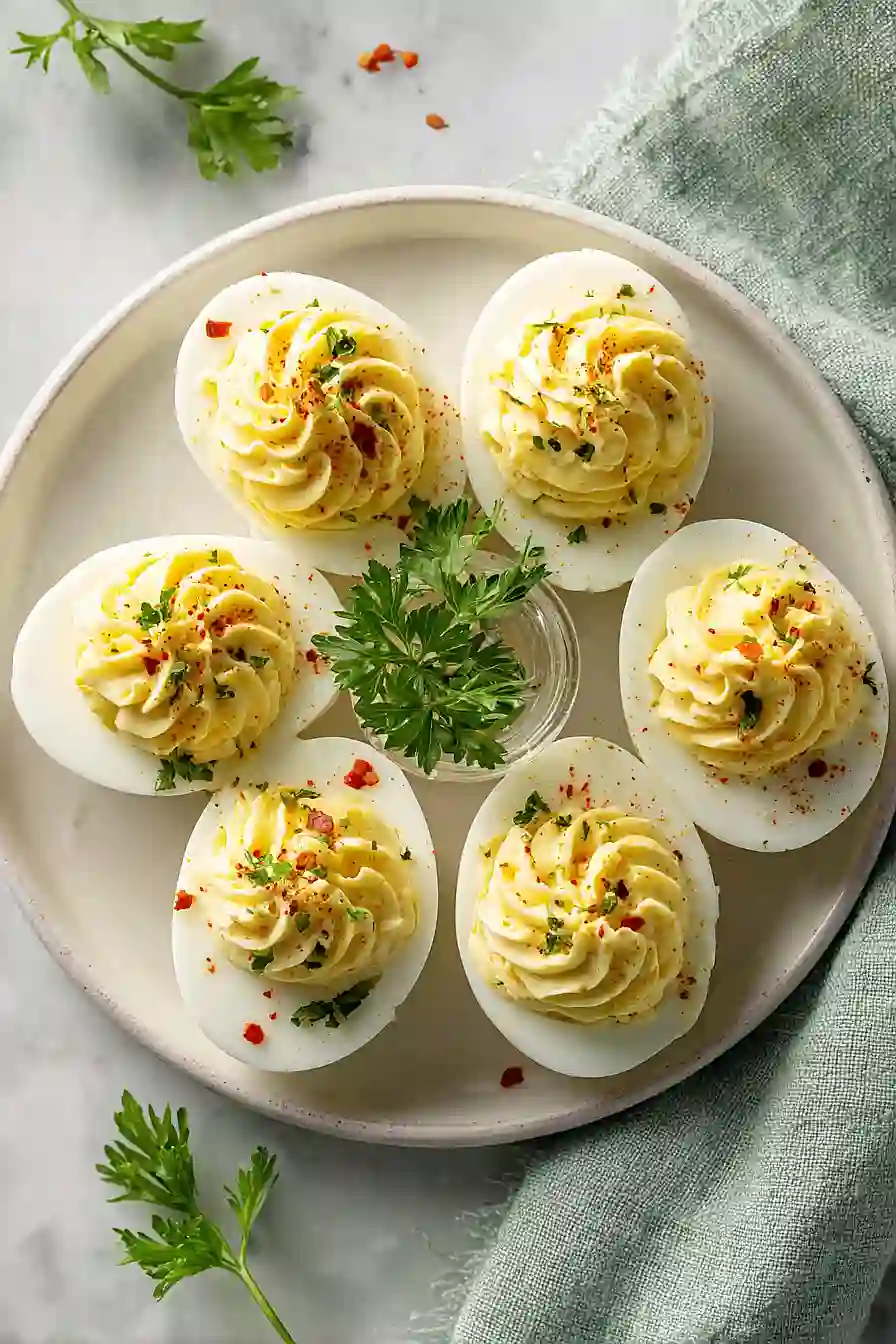
Piping for Panache: While a spoon works perfectly well, using a piping bag fitted with a star tip elevates the visual appeal of your deviled eggs significantly. The neat, swirled peaks create a professional and inviting look.
*
Garnish with Grace: The final touch often makes the biggest impact. A dusting of paprika (sweet, smoked, or hot) is traditional and adds a beautiful color contrast. Fresh herbs like finely chopped chives, dill, or parsley provide freshness and an additional layer of flavor. Crumbled bacon, capers, or a tiny sliver of smoked salmon can turn a classic into a gourmet delight. Arrange your finished deviled eggs on a platter, ensuring they are stable and easy for guests to pick up.
Common Pitfalls and How to Avoid Them
Even with the best intentions, a few common issues can derail your deviled egg efforts.
*
The Green Ring: As mentioned, this is a sign of overcooked eggs. The sulfur in the egg white reacts with the iron in the yolk when heated too long, forming ferrous sulfide. The ice bath immediately after cooking is your best defense.
*
Watery Filling: This can happen if your mayonnaise is too thin or if you add too much liquid (vinegar, lemon juice). Start with less and add slowly, tasting as you go. Ensuring your yolks are completely mashed is also important, as lumps can hold moisture.
*
Cracked Shells: Starting eggs in cold water and bringing them to a gentle boil rather than a rapid one can prevent the shells from cracking due to sudden temperature changes. Adding a pinch of salt or a splash of vinegar to the cooking water is also rumored to help, though the cold water start is generally more effective.
Conclusion
Armed with Kathy Casey's invaluable expertise, the mystery of the perfect hard-cooked egg is solved. The simple yet profound understanding that older eggs are superior for peeling, combined with precise cooking and cooling techniques, paves the way for deviled egg perfection. From perfectly centered yolks to pristine whites and a creamy, flavorful filling, these foundational methods ensure your classic deviled eggs are not just delicious but visually stunning, too. So, next time you plan to whip up this timeless appetizer, remember to reach for those 7-10 day old eggs, and prepare to impress with effortlessly elegant, mouth-watering results.